Check out what they had to say about the project here
2019 Was Truly Amazing for FWH

What a year 2019 has been for Friends With Holograms.
First and foremost, a huge shoutout to everyone in the FWH family that has made this all possible. Pamela Jaber, the head of ideation and the true MVP of the company. Louisa Spring, who hustled and sold and put headsets on a lot of people. Robert Lester and Neil Redding, for great advice and creative input. Kevin Cornish and Gabo Arora, for directing the heck out of projects -- we wouldn’t have the accolades we do without your vision and expertise.
A few highlights from the year:
Soon after we finished chapter one of AvenueS, our point of contact at Accenture went on maternity leave, and we never got word that we had been nominated for the Best VR/AR award at Mobile World Congress. Spoiler alert: we won, and found out via a tweet posted by another team member. Our competition? Just a few little companies you might have heard of, like China Mobile and Huawei.
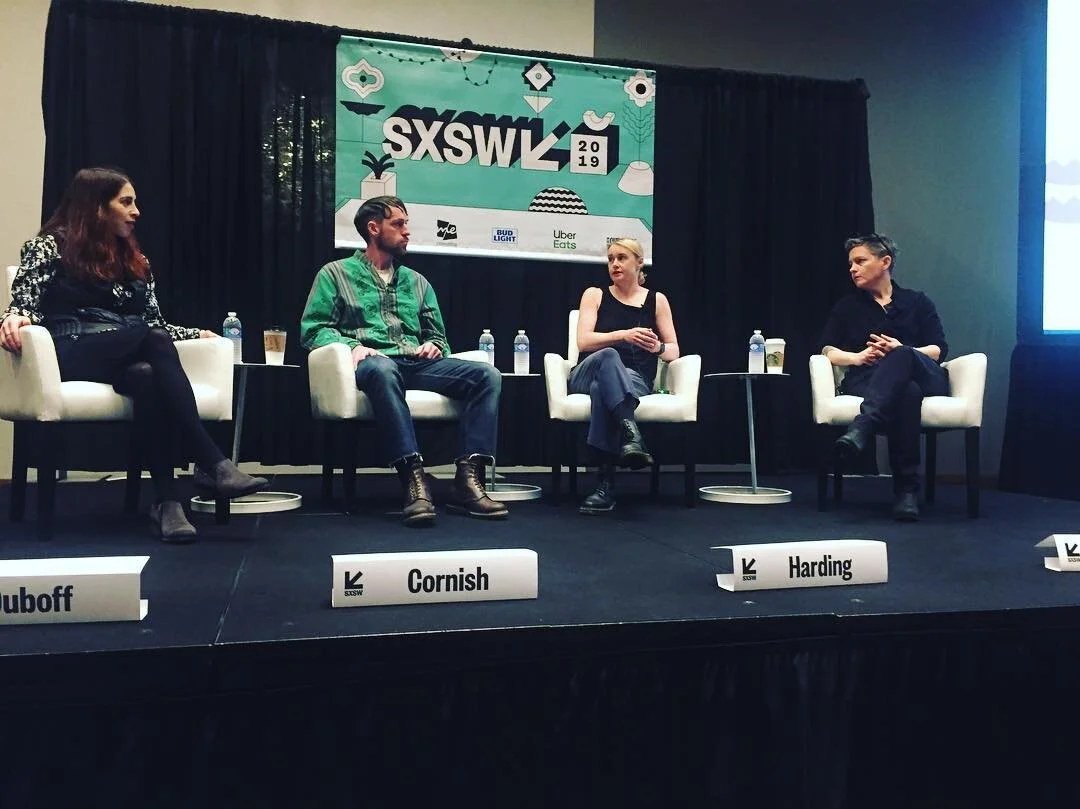
The ride didn’t stop there, as AvenueS was a finalist for a SXSW Innovation Award the next month. We spent an amazing afternoon putting close to a thousand people through the experience, and participated in a great panel about how it all came together.
We made the follow-up chapter over the summer, and the work continues to get amazing feedback. It’s being used in states like Indiana and has been shown around the world. People still cry when they see, and that’s the best feedback we could ask for.
FWH also racked up some amazing accolades our project for DDI, Can’t Win. The piece was named a top HR product by HR Executive, and also got some great features in that publication and in Fortune. The single best piece of feedback remains a user who described it as “not a conversation, but an emotional experience” and went on to make some big changes at his organization.
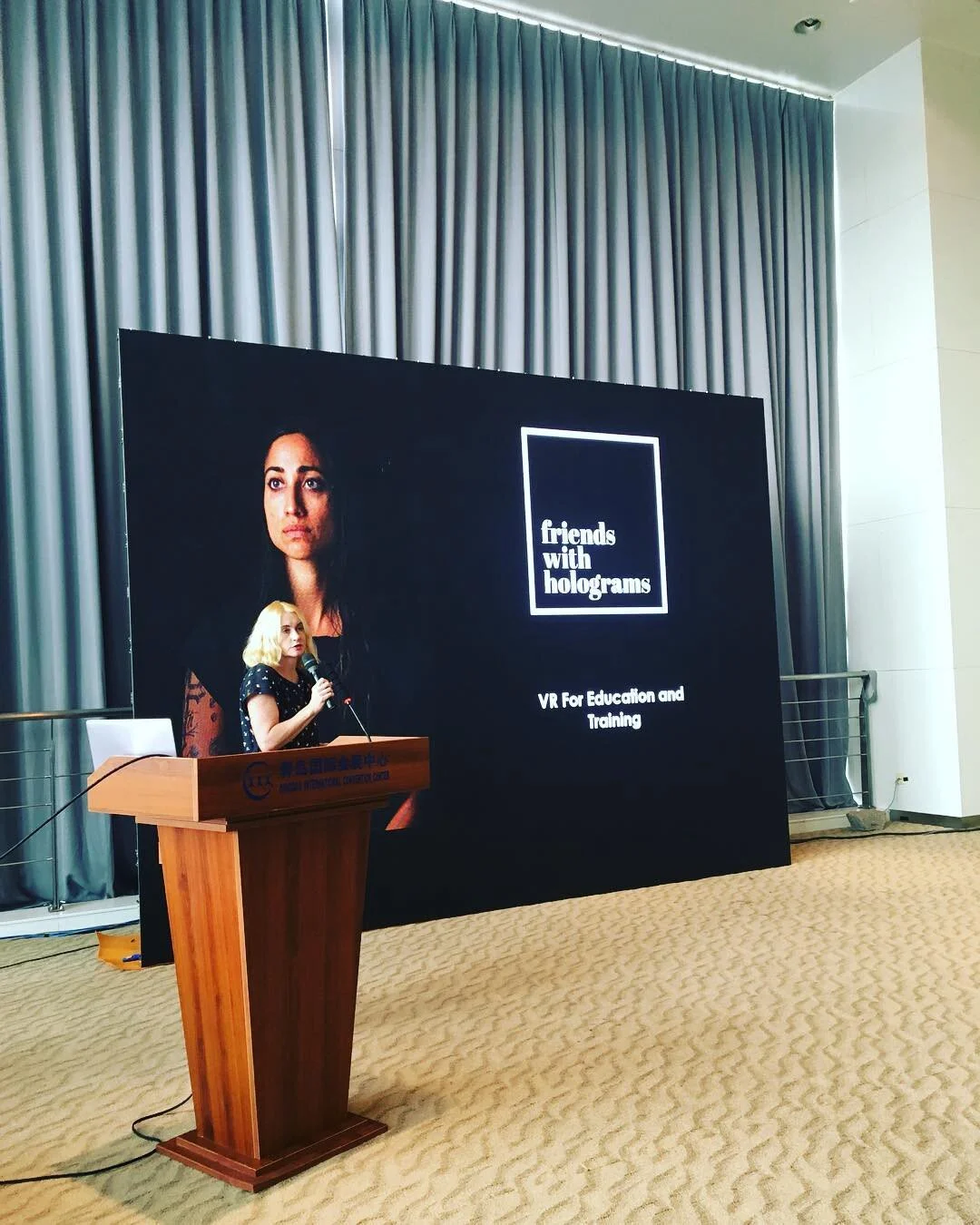
We also had several amazing speaking engagements, including addressing 250 strategic marketing managers at Coca-Cola, speaking at ARVR Innovate in beautiful Dublin, and doing a great workshop at the NWA Tech Summit in Bentonville, AR. That trip was memorable for a number of reasons, including the fact that we learned what to do to keep safe during a tornado!
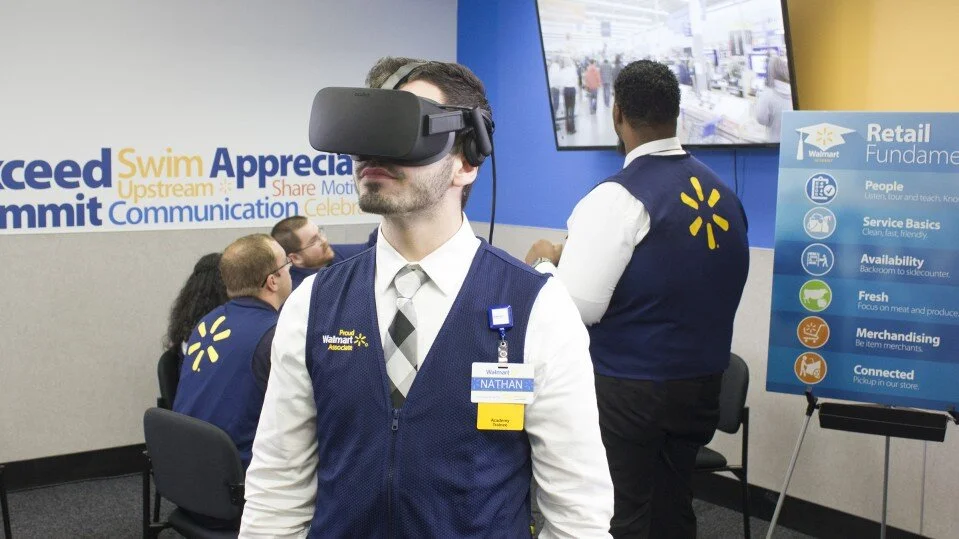
VR for training has also had a massive year, as a flood of data about how effective it is has poured forth. At this point, if you’re not making investments in how best to train a team in VR, you are at a very real risk of losing competitive advantage.
As this year comes to a close, we are so excited for what is on the horizon in 2020. A massive thank you to our clients for being great partners and the team for working their guts out.
Interested in learning more about VR for training?

Our newly redesigned one-day workshops are a great place to start. More details can be found here
Another Win Before We Wrap 2019

Excited to announce that our partnership with the National Association of Social Workers was a winner at the Leading Women Entrepreneurs’ NJ “Force for Change” Conference for Women pitch competition.
AvenueS Goes to Indiana

Our Accenture AvenueS piece is now being deployed in Indiana!
We Got a Fantastic Feature in VentureBeat

Check it out here
Can't Win Continues to Triumph With a Great Piece in HR Executive

Click here to read the full feature.
Our DDI piece got a great write-up in Fortune

Check out the amazing coverage of this groundbreaking piece in Fortune!
AvenueS Goes Global

We are always thrilled to hear about our Accenture AvenueS piece making the rounds — this time in Germany! Have you seen AvenueS in the wild? Let us know!
We're Speaking at the NWA Tech Summit in Bentonville!

Come see us in Bentonville — Cortney is speaking Tuesday afternoon.
Come see us at XRS Week in SF October 16-18
Cortney will be speaking at and attending XRS Week in San Francisco, drop us a line if you’d like to meet!
If 83 to 0 Doesn't Convince You, Nothing Will

VR training is taking off, and you don’t want to be left behind. Subscribe to our newsletter for more of the latest.
Our piece with DDI, Can't Win...won

Our workplace inclusion piece with DDI was named a top HR product by HR Executive. Read more here.
Commonly asked questions about VR and training
Have questions about the basics of training and VR? Check out our ever-evolving Medium post here and feel free to send us more thoughts.
Why VR Needs to Designed for the Least Technical Person in the Room
Read our manifesto on user-centered VR design here
Cortney was featured on the Kaleidoscope Forum; watch the video on YouTube
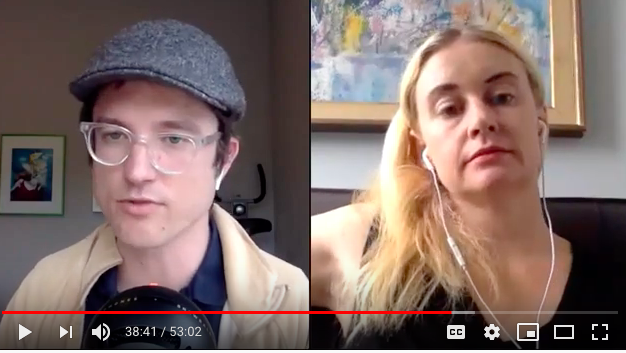
Watch the full video here.
The lifesaving power of virtual reality

“I saw your experience a few days ago, and I just have to ask you...is that little girl OK?”
The woman who came up to us after our SXSW panel on our Accenture piece, AvenueS, was genuinely concerned. She has seen the piece a few days earlier when we demoed it as part of the Innovation Awards finalist showcase, and she confessed she hadn’t stopped thinking about it. We were happy to tell her that the little girl was in fact an actress, she was fine, had lovely parents and was by all accounts well cared for. And while her response is a credit to the writing, directing, and acting in the piece, it’s also a testament to the power of virtual reality to make situations memorable and deeply affecting.
We thought about this again when, in the wake of the horrible shootings in El Paso, the CEO of Wal-Mart said that he believed the store’s VR training had helped save lives. There are lots of stats about the efficacy of VR training -- that it has a 75% increase in learning quality and retention when compared to traditional training methods; that it can reduce training time by 40%; and that it results in 70% performance improvement -- but this is probably the starkest example of how it can actually prevent the loss of life. And sure, it might cost a little more than some other training methods, but how does that stack up when you consider that it might mean one more person goes home to their family at the end of the day?
Great VR pieces can also help employees be prepared for challenging and unusual situations. Cortney’s nephew has Down’s Syndrome and is non-verbal, so when we saw this story about an airline refusing to accommodate a non-verbal autistic man who was seated away from family members, we were instantly heartbroken for the family -- and thought about how VR could be used to help airline employees deal with situations like this one with more empathy and kindness. This might not be something airline employees face every day and are trained for, and VR is a scalable way to help prepare them for these types of situations. Again, weigh the costs of creating a VR piece against the bad press, lawsuits, settlements, and crisis communications, not to mention basic human decency, and it makes a lot of sense.
If anything in these paragraphs above has spoken to you, please drop us a line. We’d love to help you build something that has an impact and makes a change.
WHAT WE’RE UP TO NEXT
The excellent folks at the training agency Curious Lion are hosting a webinar on VR and training, and we’re honored to be the expert panelists. The webinar takes place on September 12 at noon EST and a link to sign up is here.
Cortney will be speaking at the VR Tech Summit on September 9 in NYC and XRS Week October 16-18 in San Francisco. And we are still encouraging folks to call their reps and ask them to support HR 4103, the VR TECHS Act, to help establish guidelines and best practices to train federal employees in VR. We are also working on an event around this bill in NYC and should have more to announce soon.
Cortney was featured in this piece on the future of XR by the National Research Group

Cortney was included in this list of rising stars in VR

Thrilled to be part of this fantastic list.
Want federal workers to get better training? Call your reps and ask them to support HR 4103

The 2019 Virtual Reality Technologies Enabling Coaching and Honing Skills (VR TECHS) in Government Act (H.R. 4103), introduced by Rep. Yvette Clarke, D-N.Y., would create a federal advisory committee headed by the General Services Administration to develop ways to use virtual reality products for federal employees’ professional development. The committee would be tasked with establishing best practices for using virtual, augmented and mixed reality technology to train employees and to share those with agencies.
Full article here.